%2Ffit-in%2F250x250%2Fguide_websites%2F6993%2Fimages%2F273016454_114773921123811_5850955214597817085_n1.jpg&w=1920&q=100)
Winter Fishing in Brownville Maine with Chris Dumont
Fishing in Brownville Maine - What to Expect
%2F%2Fusers%2F33cf2ae5-a1ef-420d-9df0-e234881b35bb%2Fimages%2Fmaine-winter-wilderness-brownville-2324.jpg&w=1920&q=75)
Fishing Charter by Captain Chris Dumont in May
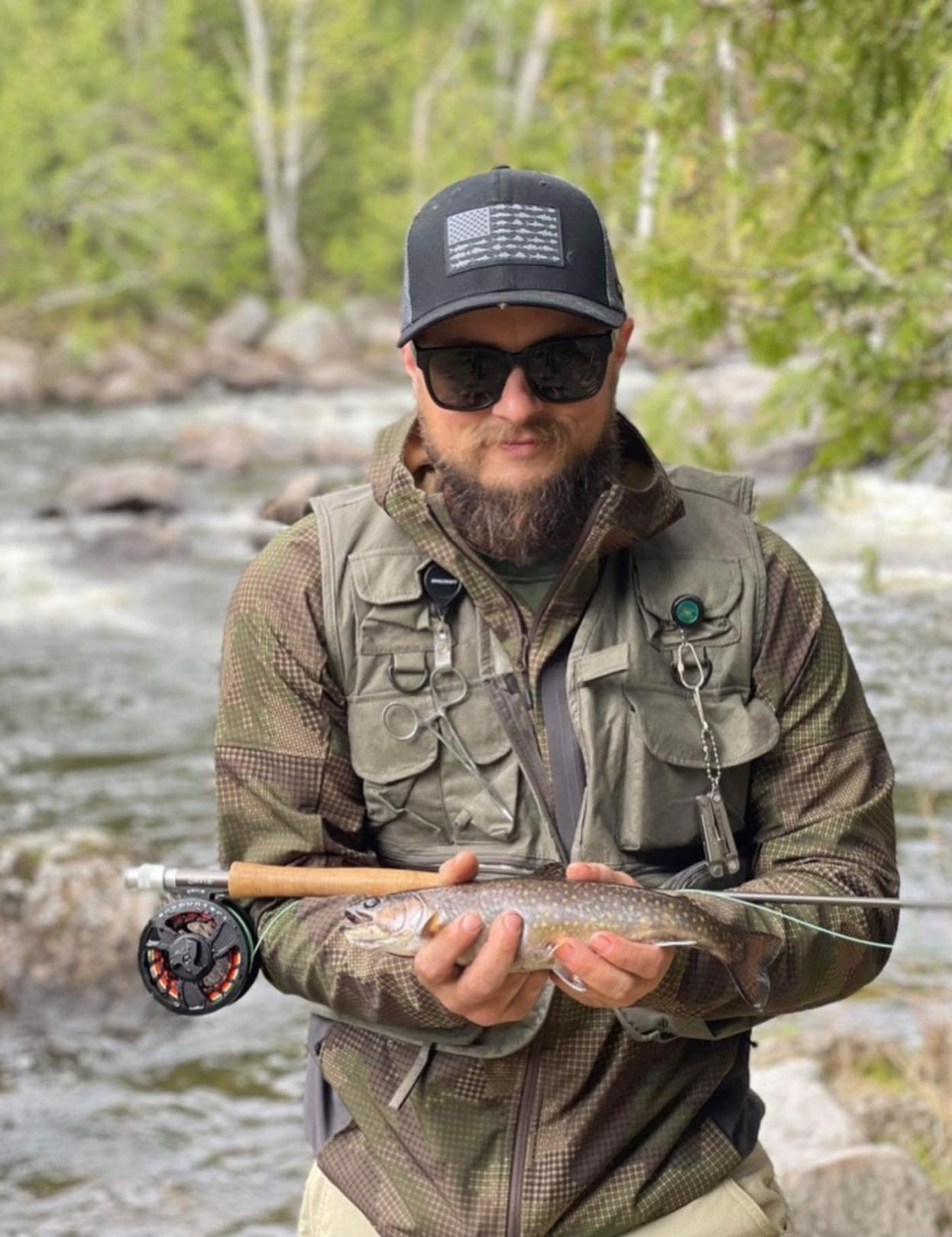
Meet your Captain Chris Dumont
- Book Maine Hunting and Fishing with Capt. Chris!


Summary
Join Captain Chris Dumont of Moose Horn Guide Service on a Tuesday in May for a fishing charter in Brownville, Maine. This guided fishing trip combines local expertise with access to prime fishing waters in the heart of Maine's wilderness region.
Fishing Charter with Captain Chris Dumont - Rates & Booking
Captain Chris Dumont of Moose Horn Guide Service welcomes anglers to Brownville, Maine on Tuesday, May 21st for a comprehensive fishing charter experience. Chris brings deep local knowledge of Maine's fisheries and understands how seasonal changes affect fish behavior and location throughout the year.
To book your fishing charter, contact Moose Horn Guide Service directly. Captain Dumont customizes each outing based on current conditions, target species, and angler experience level. This personalized approach ensures both beginners and experienced fishermen get the most from their time on the water.
Highlights of Your Fishing Experience
Fishing in Brownville gives you access to Maine's diverse aquatic ecosystems. The region's forests and waterways create unique habitat conditions that support healthy fish populations. Captain Dumont's familiarity with local structures, current patterns, and seasonal movements helps position you in the best locations throughout your charter.
The winter and early spring scenery around Brownville provides a stunning backdrop. The transition from frozen landscape to spring thaw creates dynamic fishing conditions. Understanding how water temperature and clarity change during this period is essential to successful angling, and Chris uses this knowledge to adapt tactics throughout the season.
Local Fishing Insights
Maine's Brownville region represents classic New England fishing country. The area's diverse waterways support multiple fish species, each with distinct behavioral patterns shaped by seasonal cycles. Spring fishing in Maine involves understanding how warming water temperatures trigger increased fish activity and feeding behavior.
Temperature plays a critical role in fish metabolism and location. As water warms from winter conditions, fish move from deeper wintering areas to shallower zones with better feeding opportunities. Experienced guides like Captain Dumont monitor these transitions closely, adjusting technique and location to match fish movements.
Water clarity also influences fishing success. Spring runoff can increase turbidity in some areas while creating clearer conditions in others. Fish adjust their feeding behavior based on visibility - in murky water they rely more on lateral line detection and vibration, while in clear water they depend heavily on vision. Understanding these differences helps anglers choose appropriate lures, colors, and retrieves.
The forest environment surrounding Brownville's waters influences fishing conditions in multiple ways. Tree coverage affects light penetration and water temperature. Woody debris from fallen trees creates cover that fish use for protection and ambush points. These structural features become migration corridors and feeding zones, especially during periods of changing water levels.
Seasonal timing affects not just fish location but also their willingness to feed. Spring brings increased insect activity as aquatic nymphs emerge. Fish recognize these food sources and actively feed during emergence periods. Understanding local insect hatches helps anglers match their offerings to natural food sources fish are already eating.
Captain Dumont's experience encompasses multiple fishing methods adapted to Maine conditions. Techniques vary based on target species, water conditions, time of year, and angler preference. Whether you prefer casting, trolling, or other approaches, the guide tailors the charter to your interests while maximizing your chances of success.